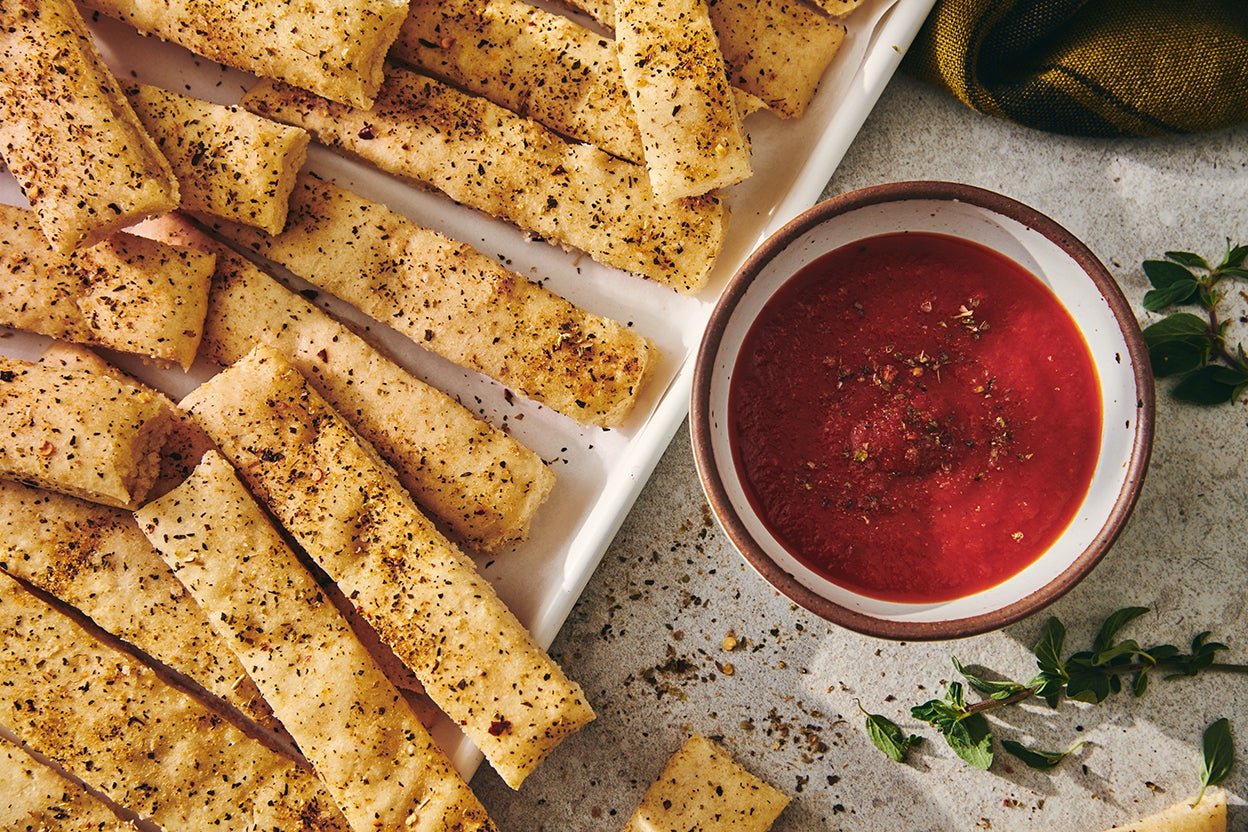
Unleash Your Inner Baker: Crafting Soft Homemade Restaurant-Quality Breadsticks
Imagine the warm, inviting aroma of freshly baked breadsticks wafting through your kitchen, their golden crust promising a pillowy soft interior just waiting to be dipped. For many, the thought of making bread from scratch can feel daunting, but what if we told you that achieving truly soft dipping bread sticks, reminiscent of your favorite Italian restaurant, is not only achievable but surprisingly simple? This comprehensive guide will demystify the process, transforming you into a breadstick artisan in no time.
Whether you're craving that iconic Olive Garden experience or the garlicky bliss of Little Caesar's, mastering homemade breadsticks opens up a world of culinary delight. These aren't just sides; they're an experience – perfect for sopping up savory sauces, accompanying hearty soups, or simply enjoying as a standalone snack. Forget store-bought; the satisfaction of pulling a tray of warm, buttery, and utterly irresistible breadsticks from your own oven is unparalleled. Let's embark on this delicious journey together!
Why Homemade Soft Dipping Bread Sticks are a Game-Changer
There's a unique magic to homemade bread, and breadsticks are no exception. Beyond the sheer deliciousness, opting for homemade offers a myriad of benefits that elevate your dining experience:
- Unmatched Freshness and Flavor: Nothing compares to bread that's mere minutes out of the oven. The delicate texture, the comforting warmth, and the vibrant flavors of fresh ingredients simply can't be replicated by pre-packaged alternatives.
- Customization at Your Fingertips: From the type of flour to the seasonings, you have complete control. Want them extra garlicky? Go for it! Prefer a hint of rosemary? Add it in! This allows you to tailor your soft dipping bread sticks precisely to your palate.
- Cost-Effective Indulgence: While a restaurant breadstick basket might seem affordable, making a large batch at home is significantly more economical. You can enjoy an endless supply for a fraction of the cost, making them perfect for family dinners or entertaining.
- A Rewarding Culinary Skill: Don't be intimidated by yeast! This recipe is an excellent entry point for beginners looking to gain confidence with bread baking. The process is straightforward, and the results are incredibly gratifying, proving that you can bake delicious bread.
- Versatility for Any Meal: These breadsticks aren't just for pasta night. They're fantastic alongside a fresh salad, perfect for dunking into a rich tomato soup, ideal for scooping up stew, or even as a unique "breadstick bouquet" appetizer for guests.
Essential Ingredients for Fluffy Perfection
The beauty of these restaurant-quality breadsticks lies in their simplicity. You'll likely have most of these ingredients in your pantry already, proving that gourmet taste doesn't require exotic components.
The Core Dough Ingredients:
- Flour: While all-purpose flour will yield excellent results, consider experimenting with fresh-milled flour. The reference context highlights soft 'whole wheat' breadsticks with fresh milled flour, specifically hard white wheat. This type of whole wheat flour offers the nutritional benefits of whole grains while producing a surprisingly light, white-looking crumb, effectively "fooling" even the pickiest eaters. It contributes to an incredibly tender texture and a subtly nutty flavor.
- Yeast: Active dry or instant yeast will work. Instant yeast can often be added directly to dry ingredients, while active dry typically needs to be proofed in warm water first.
- Warm Water (or Milk): The liquid activates the yeast. Ensure it's warm (around 105-115°F or 40-46°C) but not hot, which can kill the yeast. Milk can add extra richness and softness.
- Sugar: A small amount of sugar feeds the yeast, helping it activate and rise effectively. It also contributes to browning and flavor.
- Salt: Crucial for flavor balance and controlling yeast activity. Don't skip it!
- Olive Oil (or other vegetable oil): Adds tenderness, helps with dough elasticity, and prevents sticking.
The Signature Topping:
- Melted Butter: The foundation of that irresistible richness.
- Garlic Salt: The classic flavor enhancer for an authentic copycat experience. You can also use garlic powder and a pinch of fine sea salt for more control.
- Parmesan Cheese (optional): Freshly grated Parmesan adds a salty, umami depth that takes your breadsticks to the next level.
- Dried Parsley (optional): For a pop of color and fresh herbaceousness.
Step-by-Step Guide to Crafting Your Soft Dipping Bread Sticks
Making these breadsticks is a rewarding experience, even for those new to yeast baking. Follow these steps for perfect results:
- Activate the Yeast (if using active dry): In the bowl of your stand mixer, combine warm water (or milk) with a pinch of sugar and the yeast. Let it sit for 5-10 minutes until foamy. If using instant yeast, you can usually skip this step and add it directly with the dry ingredients.
- Combine Ingredients: To the yeast mixture (or directly to the bowl if using instant yeast), add the remaining sugar, olive oil, and about half of your flour. Mix on low speed with a dough hook until just combined. Gradually add the remaining flour, followed by the salt (adding salt last helps prevent it from directly contacting and potentially hindering the yeast's initial activation).
- Knead the Dough: Increase the mixer speed to medium-low and knead for 5-7 minutes. The dough should become smooth, elastic, and pull away from the sides of the bowl. Perform the "stretch test": pinch off a small piece of dough and gently stretch it. If it forms a translucent "windowpane" without tearing, it's ready. If it tears easily, continue kneading for another minute or two.
- First Rise (Proofing): Lightly oil a large bowl. Place the dough in the bowl, turning it once to coat. Cover the bowl with plastic wrap or a clean kitchen towel and let it rise in a warm, draft-free place until doubled in size, typically about 1 hour. This fermentation process develops flavor and creates that airy texture.
- Shape the Breadsticks: Gently punch down the risen dough to release the air. Turn it out onto a lightly oiled surface. Divide the dough into 16 equal pieces. For each piece, first shape it into a small, smooth ball (like you would a dinner roll), ensuring the top is taut. Then, roll each ball between your hands or on the oiled surface into a snake-like shape. For Olive Garden-style breadsticks, aim for longer, thinner shapes (about 8-10 inches). For Little Caesar's style, keep them a bit shorter and thicker (about 6 inches). Ensure any seams are on the bottom for a smooth top finish.
- Second Rise: Arrange the shaped breadsticks on a baking sheet lined with parchment paper, leaving some space between them. Cover loosely with plastic wrap or a towel and let them rise again for another 20-30 minutes, or until visibly puffy.
- Bake to Golden Perfection: Preheat your oven to 375°F (190°C). Bake the breadsticks for 14-18 minutes, or until they are golden brown on top and bottom. Baking time can vary slightly depending on your oven and the thickness of your breadsticks.
- Butter and Season Immediately: As soon as the breadsticks come out of the oven, brush them generously with melted butter. Immediately sprinkle with garlic salt and, if desired, Parmesan cheese and dried parsley. The hot breadsticks will absorb the butter and help the seasonings adhere perfectly.
Tips for Achieving Restaurant-Quality Soft Dipping Bread Sticks Every Time
While the basic steps are straightforward, a few insider tips can elevate your homemade breadsticks from good to absolutely amazing, truly capturing that restaurant flair.
- Don't Rush the Rise: Patience is key in bread making. A proper first rise (proofing) allows the yeast to work its magic, developing flavor and creating a light, airy texture. If your kitchen is cool, place the dough in a slightly warm oven (turned off, with just the light on) to help it rise.
- Master the "Stretch Test": As mentioned earlier, the windowpane test is your best friend for knowing when your dough is properly kneaded. Under-kneaded dough will result in dense breadsticks, while over-kneading can make them tough.
- Vary Your Shape: Experiment with different lengths and thicknesses. Longer, thinner breadsticks often evoke the Olive Garden style, making them ideal for a formal dinner spread. Shorter, thicker ones are perfect for casual dipping, particularly when you're making soft & buttery: easy homemade Olive Garden copycat breadsticks.
- Embrace the Topping: The melted butter and garlic salt are non-negotiable for that authentic taste. Don't be shy with the brushing and sprinkling when they're fresh out of the oven! You can also try adding a dash of onion powder, Italian seasoning, or a pinch of red pepper flakes for a subtle kick.
- Serve Warm: The best way to enjoy these soft dipping bread sticks is when they're still warm from the oven. The butter is perfectly melted, the texture is at its peak, and the aroma is simply irresistible. If you've baked a batch ahead, a quick reheat in the oven (or even microwave for a few seconds) can bring them back to life.
- Freezing for Future Feasts: These breadsticks are excellent for making ahead. You can freeze the shaped, unbaked dough (after the second rise) or the fully baked breadsticks.
- For unbaked: Freeze individual breadsticks on a baking sheet until solid, then transfer to a freezer-safe bag. When ready to bake, thaw in the fridge overnight or on the counter until proofed, then bake as directed, potentially adding a few extra minutes.
- For baked: Freeze cooled, un-buttered breadsticks in a freezer bag. Reheat from frozen in a 350°F (175°C) oven for 8-10 minutes, then butter and season.
- Perfect Dipping Companions: Beyond classic marinara, consider serving your breadsticks with alfredo sauce, a creamy garlic dip, hummus, a simple olive oil and balsamic vinegar blend, or even a spicy cheese dip. Their soft texture makes them ideal for soaking up every last bit of flavor.
There's immense satisfaction in creating something truly delicious from scratch, and these soft dipping bread sticks are a testament to that. They're not just bread; they're comfort, a celebration of simple ingredients, and an invitation to gather around the table. So, don't hesitate. Roll up your sleeves, embrace the dough, and prepare to delight your taste buds and those of your loved ones with homemade breadsticks that rival any restaurant.
